Indonesia is not one risk picture. With more than 17,000 islands and around 280 million people, the risks in central Jakarta are very different from those on a resources project in Kalimantan or in the Papua highlands. Most business trips to Indonesia go smoothly. The ones that don’t usually go wrong on the road, in a medical emergency, or because the traveller didn’t know a local law. This guide covers what to check before you travel, region by region, and how to plan the trip.
Panoptic is established in Indonesia, and has supported business travel there since 2017 through PT Panoptic Solutions Asia, our Indonesian company, with a Jakarta-based local support and operations team. If you need protection on the ground rather than advice, see executive protection and travel support in Indonesia.
For most itineraries, yes, with sensible planning. The common risks are:
Always check the current Smartraveller advice for Indonesia before you book and again before you fly. Advice levels differ by region.
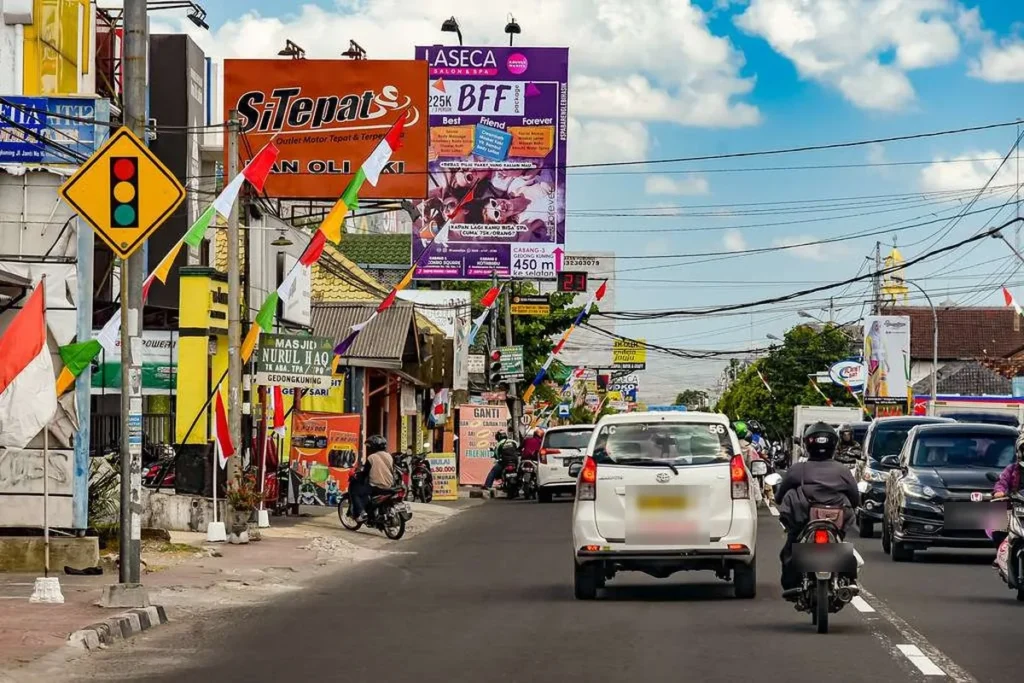
Java is the centre of government, business and population, so it has historically attracted most terrorist plots, and it is where demonstrations most often happen. Jakarta’s traffic and seasonal flooding are the daily planning problem: a short meeting across town can take hours, and floods regularly close roads in the wet season. Plan routes and timings, keep clear of protest locations, and build slack into the itinerary.
Bali’s risks are mostly about tourism: road safety on narrow, busy roads, scooters, water safety, drink spiking, late-night venues and opportunistic crime. The 2002 and 2005 bombings are a reminder that crowded tourist venues can be targets, so venue choice and routine matter.
Kalimantan hosts many mining, energy and plantation operations. The main risks are long road and river moves, flooding and landslides in the wet season, distance from good medical care, and smoke haze in fire seasons. Remote site visits need journey management, medical planning and reliable communications.
Sulawesi has major nickel and other resources projects. Central Sulawesi (around Poso) had a long-running militant problem. Security operations have greatly reduced it, but travel to affected districts should still be assessed specifically. Natural hazards, including earthquakes and tsunamis, are significant across the island.
In 2022 Indonesia split the Papua region into more provinces. Parts of the highlands carry a much higher risk because of an armed separatist conflict, and Australian travel advice for those areas is stricter than for the rest of the country. Business travel there, including to resources projects, needs a specific risk assessment, tight movement control and a clear medical and evacuation plan. If the trip isn’t essential, reconsider it.
Aceh applies Sharia law to everyone, including visitors. Rules on alcohol, gambling, dress and relationships are enforced. Brief travellers before they go.

Road travel is the biggest everyday risk in Indonesia. Traffic discipline is poor, minor accidents can escalate into disputes, and foreign drivers involved in an incident can be vulnerable to demands. Check whether your international driving permit is valid for Indonesia and whether your insurance covers you, but for most business travellers the better answer is not to drive at all. Use a vetted protective driver and vehicle, and plan the route before you leave. See protective drivers for executives.
Before travel, know the nearest suitable hospital to every stop on the itinerary, check your travel and medical evacuation insurance, and carry enough of any regular medication. For remote site visits, plan medical cover with the same care as security. See our remote medicine services.
Download our business travel safety checklist for a printable version.
Bring in a professional when the traveller has a public profile, when the itinerary includes remote sites or higher-risk regions, when a group is travelling together, or when your company needs to show it has met its duty of care. A provider should give you a written assessment and plan, explain who is legally delivering security on the ground, and stay accountable from arrival to departure. Our guide to close protection in Indonesia explains how that works.
If your people travel to Indonesia or Papua New Guinea often, our APAC travel protection programme sets this up once and applies it to every trip.
Planning a trip to Indonesia? We’re available on 1300 651 407 (within Australia) or +61 472 708 257 (24/7 and from overseas), or send a confidential enquiry.
Generally yes, with planning. The main issues are traffic, flooding in the wet season, petty crime and occasional demonstrations. Plan routes and timings and use a vetted driver.
Parts of the Papua highlands carry the highest risk because of an armed separatist conflict. Australian advice for those areas is stricter than for the rest of Indonesia. Check Smartraveller for the current levels.
For business travel we recommend against it. Traffic is difficult, and a minor accident can become a dispute. A vetted protective driver is safer and lets the traveller work on the move.
Most visitors don’t need a protection team. Executives, public figures and families with a higher profile often use a protective driver and a planned itinerary, especially for venues and road moves.
Complete a trip-specific risk assessment, a journey management plan, a medical and evacuation plan, and a communications plan with check-ins. Brief the traveller before they leave.
Yes. PT Panoptic Solutions Asia has been our Indonesian company since 2017. It is a registered consultancy with a Jakarta-based local support and operations team, and security is delivered through licensed local providers.